Time for Babies! (again)
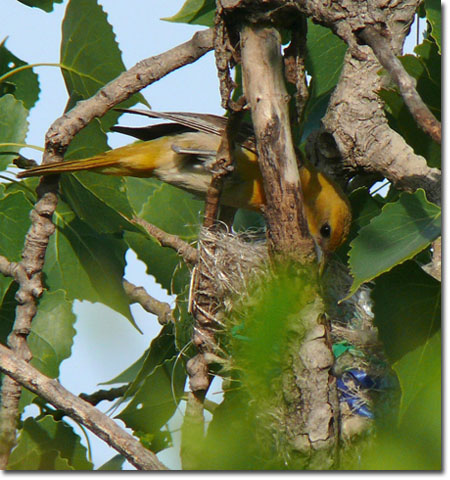
I was standing in the kitchen over the Fourth of July weekend just concluded and a cacophony of sound drew me to the window overlooking the feeders. Chittering, squeaking, and chipping was emanating from various small birds on the ground at the base of the feeding area. Nearby each chick were their various doting matching parents, each bending at the hip (do birds even have hips?) with a beakful of something that their eager hatchling(s) would enjoy. The immature shortened feathers bristling as the tiny proteges verily shivered with delight and excitement at the prospect of nourishment. There were Northern Cardinals, American Robins, House Finches and House Sparrows together on the ground under the hanging feeders all doing what comes naturally at this time of year. If you've not had the pleasure of witnessing this preciously choreographed and all important duty, I urge you to pause and do so. Well sir, as I witnessed the feathered conclave of interspecies breakfasting unfolding before me, I was struck by how much the scene under my window ledge reminded me of similar human interractions between new parents, their strollers, and younglings as they too gather at the park for a bit of "outside" the home time. Now, in today's human world just as in the avian it would be unfair to merely call this "Mom's Day Out" without mentioning how the male of the species has gotten his hand or wing into the act. It seems as though both parents have rightly decided the importance of rearing the children together as each has something unique to offer the "kids." Lessons are there to be taught and learned with each interraction and session, so to leave the man of the nest out of the "fun" would be a shame. Well, just as I know that human Mom's (and sometimes Dads) glowingly gush when their own precious one begins to do something for the first time, Don't you also wonder if the "gals" are sitting up in the branches and bragging about how junior just took his first hop or said her first "cheep?" Well...I do...but then that's me.
 Sparrows together on the ground under the hanging feeders all doing what comes naturally at this time of year. If you've not had the pleasure of witnessing this preciously choreographed and all important duty, I urge you to pause and do so. Well sir, as I witnessed the feathered conclave of interspecies breakfasting unfolding before me, I was struck by how much the scene under my window ledge reminded me of similar human interractions between new parents, their strollers, and younglings as they too gather at the park for a bit of "outside" the home time. Now, in today's human world just as in the avian it would be unfair to merely call this "Mom's Day Out" without mentioning how the male of the species has gotten his hand or wing into the act. It seems as though both parents have rightly decided the importance of rearing the children together as each has something unique to offer the "kids." Lessons are there to be taught and learned with each interraction and session, so to leave the man of the nest out of the "fun" would be a shame. Well, just as I know that human Mom's (and sometimes Dads) glowingly gush when their own precious one begins to do something for the first time, Don't you also wonder if the "gals" are sitting up in the branches and bragging about how junior just took his first hop or said her first "cheep?" Well...I do...but then that's me.